



Trulicity (dulaglutide) injection logo
  • Prescribing Information
  • Instructions for Use
  • Medication Guide
Menu closed
Trulicity (dulaglutide) injection logo
  • Prescribing Information
  • Instructions for Use
  • Medication Guide
    This site is intended only for U.S. Healthcare Providers

    Video Resources

    A few short, informational videos about Trulicity

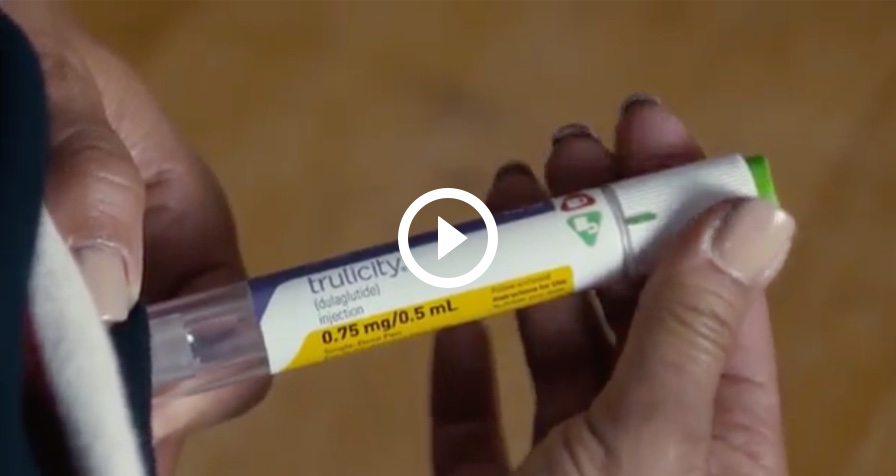
    Pen demonstration video thumbnail

    00:00-00:24
    [Trulicity logo]

    NARRATOR: Trulicity is a once-weekly injectable prescription medicine for adults and children 10 years of age and older with type 2 diabetes used to improve blood sugar along with diet and exercise and also proven to reduce the risk of major cardiovascular events, such as death, heart attack, or stroke in adults with type 2 diabetes mellitus who have heart disease or multiple risk factors.

    CAPTION: Once weekly Trulicity® (dulaglutide) injection 0.5 mL, 0.75 mg, 1.5 mg, 3.0 mg, 4.5 mg

    CAPTION: Some content created using AI

    00:24-00:33
    [The outside of a two-story home; an alarm clock is sounding in the background; a woman silences the alarm, picks up her phone, and gets out of bed; she stretches]

    WOMAN: I’d better get my day started.

    CAPTION: Actor portrayal

    00:33-00:42
    [Woman brushes her teeth while she looks at her calendar on her phone]

    WOMAN: Hmm… Looks like it’s my Trulicity Day.

    CAPTION: 8AM: Feed dog

    CAPTION: 9AM: Call in meeting

    CAPTION: 10AM: Meet office manager

    CAPTION: Trulicity Day

    00:42-00:55
    [Woman walks out of her bedroom, ready for work; continues to look at her phone calendar as she walks; son walks out of his room and waves to his mom]

    WOMAN: I take Trulicity once a week to activate my body to release its own insulin, like it’s supposed to.

    CAPTION: 11AM Conference call

    CAPTION: 12PM Business lunch with new clients

    CAPTION: Trulicity helps activate my body to release its own insulin.

    00:55-01:01
    [Woman walks downstairs; in kitchen, woman continues to view her phone calendar, appears to be a bit overwhelmed; woman puts phone on kitchen island]

    WOMAN: Whew. It’s going to be busy! I’m going to start my day with once-a-week Trulicity.

    CAPTION: Trulicity helps activate my body to release its own insulin.

    CAPTION: 2PM Interview

    CAPTION: 5PM Kids’ soccer games

    CAPTION: 7PM Pick up dry cleaning, dog food

    01:01-01:05
    [Woman prepares coffee in her kitchen]

    WOMAN: I think it’s really easy to use, and I’ve heard most people think so, too.

    CAPTION: 94%: In a study, 94% of people said it was easy to use.

    CAPTION: The key administration steps

    01:05-01:16
    [Woman continues to prepare coffee; 3 preparation steps show images of the pen]

    WOMAN: 3 steps: uncap the pen, place and unlock, press and hold, and I’m done for the week.

    CAPTION: 1 Uncap the pen

    CAPTION: 2 Place and unlock

    CAPTION: Press and hold

    01:16-01:26
    [Woman fills dog’s bowl with food and puts the bowl on the floor; dog comes over to eat; 7 icons on screen show the days of the week]

    WOMAN: It really isn’t very hard to fit into my schedule.

    CAPTION: Trulicity works all week to help your body release its own insulin when it’s needed.

    01:26-01:41
    [Image of instructions; woman opens refrigerator, box containing 4 Trulicity pens is on her refrigerator shelf; woman takes out a Trulicity pen and closes refrigerator door]

    WOMAN: I keep my Trulicity in the refrigerator, but when I travel, it’s good to know I can keep it out for up to two weeks.

    CAPTION: Instructions for Use

    CAPTION: Read the Instructions for Use included with your pen.

    CAPTION: Keep Trulicity in your refrigerator

    CAPTION: Do not freeze the pen

    CAPTION: Keep out of direct heat and light

    01:41-01:52
    [Woman’s family members walk into kitchen to leave for school, work; she hugs them; Trulicity pen stands upright on kitchen island; woman washes her hands at kitchen sink]

    WOMAN: Better wash my hands.

    CAPTION: Leave the base cap on until you are ready to inject.

    CAPTION: Get ready by washing your hands.

    01:52-02:04
    [Woman picks up Trulicity pen; she inspects the name, dosage, and expiration date on pen, as well as the quality]

    CAPTION: Make sure you have the right medicine.

    CAPTION: And it HAS NOT expired.

    CAPTION: Check the pen to make sure it is NOT damaged.

    CAPTION: Inspect the medicine to make sure it is NOT cloudy, discolored, or has particles in it.

    02:04-02:11
    [Basic images of front and back of human body; abdomen and thighs are highlighted on the image labeled “Front”]

    WOMAN: I know I can give myself Trulicity in my belly or thigh. Since last week I used my thigh,
    I think I’ll try my belly.

    02:11-02:16
    [Upper arms are highlighted on the front and back images of human body]

    WOMAN: Next week, I think I’ll try my upper arm, but I’ll need my husband to help me.

    CAPTION: Rotate your injection site each week. You may use the same area of your body, but be sure to choose a different injection site in that area.

    02:16-02:28
    [Woman holds up Trulicity pen; makes sure it’s locked; removes the gray cap; pulls up her blouse slightly and holds the pen against her stomach; unlocks pen; presses and holds it to her stomach]

    WOMAN: First, I’m going to make sure it’s locked. Yes, it is. Now, I’ll remove the gray cap and hold it firmly against my stomach. Now, I’ll unlock it. Thankfully, I don’t even have to see the needle.

    CAPTION: Uncap the pen

    CAPTION: Place and unlock

    CAPTION: Press and hold

    02:28-02:38
    [Woman holds pen firmly against her stomach; we hear two clicks; woman removes pen and pulls down blouse]

    WOMAN: All I need to do is press the green button until I hear a CLICK. I’ll just hold it until I hear a second click. There we go. That’s click number two!

    02:38-03:00
    [Woman inspects her Trulicity pen; close up of pen reveals the gray plunger at bottom of pen; woman puts pen in sharps container, under her kitchen sink]

    WOMAN: I know my injection is complete because I can see the gray plunger. All done! Now I need to put this somewhere safe.

    CAPTION: If you don’t have a sharps container, you can recycle an empty laundry detergent bottle, or a coffee can. Just make sure it has a closable lid and is puncture-resistant.

    CAPTION: DO NOT throw away (dispose of) pens in your HOUSEHOLD TRASH.

    CAPTION: DO NOT recycle your used sharps disposal container.

    CAPTION: KEEP sharps container away from children and pets.

    03:00-03:08
    [Woman removes travel coffee mug from a kitchen cabinet; pours her coffee into it; puts lid on mug and walks away]

    WOMAN: That really only took a few minutes out of my day— and I feel good about the step I’ve taken to help manage my diabetes for the week.

    03:08-03:15
    [Woman prepares a sandwich, presumably for lunch]

    NARRATOR: Trulicity is for type 2 diabetes. It isn't for children under 10 years of age.

    CAPTION: Tell your healthcare provider if you are nursing, pregnant, or plan to be or are scheduled to have surgery or other procedures that use anesthesia or deep sleepiness

    CAPTION: Some content created using AI

    03:15-03:23
    [Woman away from kitchen island, holding her packed lunch, coffee mug, and phone; prepares her purse and belongings to leave]

    NARRATOR: Don’t take Trulicity if you’re allergic to it, you or your family have medullary thyroid cancer, or multiple endocrine neoplasia syndrome type 2.

    CAPTION: Symptoms may include swelling of your face or throat, problems breathing or swallowing, severe rash or itching, dizziness, or rapid heartbeat

    CAPTION: Some content created using AI

    03:23-03:35
    [Woman picks up her belongings and walks out of the kitchen]

    NARRATOR: Stop Trulicity and call your healthcare provider right away if you have an allergic reaction, a lump or swelling in your neck, severe stomach pain, vision changes, or diabetic retinopathy.

    CAPTION: Tell your healthcare provider right away if you experience upper stomach pain, yellow skin or eyes, fever, or clay-colored stools

    CAPTION: Some content created using AI

    03:35-03:43
    [Woman stops to pick up folders and additional items needed for work]

    NARRATOR: Serious side effects may include pancreatitis and gallbladder problems. Taking Trulicity with sulfonylurea or insulin raises low blood sugar risk.

    CAPTION: Tell your healthcare provider if you have history of diabetic retinopathy.

    CAPTION: Some content created using AI

    03:43-03:52
    NARRATOR: Side effects include nausea, vomiting, and diarrhea, which can lead to dehydration and may cause kidney problems.

    CAPTION: Side effects include nausea, diarrhea, vomiting, decreased appetite, indigestion, belly pain, and fatigue

    CAPTION: Drink plenty of fluids

    CAPTION: Some content created using AI

    03:52-04:05
    [Woman checks her hair in a mirror; walks out of her house]

    WOMAN: Well, that takes care of my Trulicity for the week. And it only took a few minutes. Off to work!

    CAPTION: Trulicity is a prescription medicine

    CAPTION: Talk to your healthcare provider or call The Lilly Answers Center at 1-800-LillyRX (1-800-545-5979).

    04:05-04:17
    [Trulicity logo]

    NARRATOR: Some voiceover audio created using AI

    CAPTION: Once weekly Trulicity® (dulaglutide) injection 0.5 mL, 0.75 mg, 1.5 mg, 3.0 mg, 4.5 mg

    CAPTION: Please see safety throughout this video and the Indications and Safety Summary including Warning about possible thyroid tumors including thyroid cancer adjacent to this video and available Instructions for Use for the pen by clicking the links on the website.

    CAPTION: Trulicity® and its delivery device base are registered trademarks owned or licensed by Eli Lilly and Company, its subsidiaries, or affiliates. Trulicity is available by prescription only.

    CAPTION: PP-DG-US-5014 07/2025 ©Lilly USA, LLC 2025. All rights reserved.

    CAPTION: Some voiceover audio created using AI

    How to Use the Pen

    Learn the key administration steps for delivering a dose of Trulicity.

    Watch how to use Trulicity Pen

    mechanism of action video thumbnail

    00:00-00:05
    [Camera pans over two scientists working on a formula.]

    Narrator: With the development of GLP-1 receptor agonists as a therapeutic option.

    00:05-00:12
    [Machine moves vials.]
    Narrator: In 2000, Eli Lilly and Company began development of a once-weekly GLP-1 receptor agonist.

    00:12-00:15
    The development of dulaglutide.

    Caption: The Development of Dulaglutide

    00:15-00:28
    [GLP-1 molecule rotates on screen.]

    Narrator: An early step in development was to modify native GLP-1 so that it is resistant to degradation by dipeptidyl peptidase-4, DPP-4, thus prolonging its incretin activity.

    Caption: GLP-1

    00:28-00:35
    [Callout appears for alanine on the GLP-1 hormone, which is then replaced with glycine.]
    Narrator: The amino acid alanine at position 8 of native GLP-1 was removed and replaced with glycine.

    00:35-00:44
    [GLP-1 hormone moves toward DPP-4 enzyme but does not bind to it and moves away from the DPP-4 enzyme.]
    Narrator: This modification slows down the DPP-4 binding and degradation process, helping protect the molecule from inactivation.

    00:45-00:49

    Caption: Extending Time Action Profile

    00:49-00:54
    [IgG4 antibody appears onscreen with two GLP-1 hormones floating around it.]
    Narrator: The dulaglutide molecule was re-engineered to increase its size.

    00:54-01:02
    [GLP-1 analogues fuse to the Fc portion of the IgG4 antibody, creating a fusion molecule.]
    Narrator: This was accomplished by fusing two GLP-1 analogues to the Fc portion of an IgG4 antibody.

    01:02-01:14
    Narrator: Creating this fusion molecule increased the size, decreasing its renal clearance, and extending its time-action profile to enable once-weekly administration.

    Caption: Dulaglutide

    • Increased size
    • Reduced clearance
    • Extended time-action profile
    • Once-weekly administration

    01:15-01:19

    Caption: Increasing Potency

    01:19-01:29
    [Fusion molecule without linker cannot bind well to GLP-1 receptor.]
    Narrator: To restore and optimize the molecule's potency at the GLP-1 receptor, the next step was to modify the fusion molecule to improve its binding.

    01:30-01:39
    [Portion of fusion molecule is replaced by amino acid linker, creating the dulaglutide molecule.]
    Narrator: This was achieved by inserting an optimized amino acid linker between the GLP-1 analogue and the hinge region of IgG.

    Caption: Dulaglutide

    01:40-01:54
    [Dulaglutide molecules attach to GLP-1 receptors.]
    Narrator: Introducing optimized linker sequences as spacers restored full potency, presumably by allowing sufficient conformational freedom and distance from the carrier domain for receptor interaction.

    01:55-01:58

    Caption: Increasing Solubility

    01:58-02:19
    [Callout for glycine appears on dulaglutide molecule.]
    Narrator: To maintain solubility of the molecule, one mutation was added right in the middle of the molecule. Narrator: Enhancing the solubility eliminated the need for reconstitution, and assured that dulaglutide could be delivered as a ready-to-use soluble formulation for injection via small gauge needle.

    02:19-02:23

    Caption: Reducing the Potential for Immunogenicity and Immune Activity

    02:23-02:37
    [Dulaglutide molecule rotates on screen. Portions where mutations were inserted light up to show their location.]
    Narrator: Biological products in general and in particular when linked to an IgG molecule, can be immunogenic to patients, so the dulaglutide molecule was modified to minimize the potential inherent immune activity. To accomplish this, mutations were inserted at selected positions of IgG4 to reduce interaction with Fc receptors and reduce the potential for antibody formation.

    02:50-03:04
    [Camera zooms into portion of dulaglutide molecule and callout for arginine appears and then is replaced with glycine.]
    Narrator: Following examination for potential T-cell epitopes that may induce an immune response, an arginine residue was replaced with glycine at position 36 of GLP-1 without affecting the molecule's in vitro activity.

    03:04-03:25
    Narrator: Dulaglutide was intentionally designed to be once-weekly with desired incretin activities. It is very soluble, eliminating the need for reconstitution and can be delivered via a small-gauge needle. And, dulaglutide is designed to have low potential for immunogenicity and inherent immune activity.

    Callout: Dulaglutide
    Intentionally designed to be:

    • Once-weekly with desired incretin activities
    • Very soluble: eliminates need for reconstitution, allows delivery via small-gauge needle
    • Low in potential for immunogenicity and inherent immune activity

    03:25-03:28
    [Dulaglutide molecule rotates onscreen.]

    03:28-03:31
    [Lilly logo appears.]

    Mechanism of Action

    See how Trulicity was designed with patients in mind.

    Watch Mechanism of Action video

    Trulicity in the nursing home setting video thumbnail

    On Screen: Trulicity Logo- Onceweekly Trulicity® (dulaglutide)injection 0.75mg/0.5mL,1.5mg/0.5mL, 3.0mg/0.5mL, 4.5mg/0.5mL

    All subjects are paid representatives of Lilly, and are expressing their own opinions.

    See accompanying Prescribing Information, including boxed warning about possible thyroid tumors, including thyroid cancer, provided along with this video.

    Indication: Trulicity (dulaglutide) is a glucagon-like peptide-1 receptor agonist (GLP-1 RA) that is indicated as an adjunct to diet and exercise to improve glycemic control in adults and pediatric patients 10 years of age and older with type 2 diabetes mellitus and to reduce the risk of major adverse cardiovascular events (cardiovascular death, nonfatal myocardial infarction, or nonfatal stroke) in adults with type 2 diabetes mellitus who have established cardiovascular disease or multiple cardiovascular risk factors.

    See accompanying Prescribing Information, including boxed warning about possible thyroid tumors, including thyroid cancer, provided along with this video.

    WARNING: RISK OF THYROID C-CELL TUMORS: In male and female rats, dulaglutide causes a dose-related and treatment-duration-dependent increase in the incidence of thyroid C-cell tumors (adenomas and carcinomas) after lifetime exposure. It is unknown whether Trulicity causes thyroid C-cell tumors, including medullary thyroid carcinoma (MTC), in humans as human relevance of dulaglutide-induced rodent thyroid C-cell tumors has not been determined.

    Trulicity is contraindicated in patients with a personal or family history of medullary thyroid carcinoma or in patients with Multiple Endocrine Neoplasia syndrome type 2, and in patients with a serious hypersensitivity reaction to dulaglutide or any of the product components.

    See accompanying Prescribing Information, including boxed warning about possible thyroid tumors, including thyroid cancer, provided along with this video.

    Jonathan S.: Long-term care is interesting. These are our grandmothers. These are our parents that I look at. And we form certain bonds with them because some of them may be abandoned by their families, so we become their families. We take care of them.

    (On screen text)
    Jonathan Shaatal, MS, RPh, FASCP
    Director of Pharmacy – Four Seasons Nursing & Rehabilitation Center

    Jonathan S.: In the last couple of years, the patients arrive into our facility usually have this triad of disease states, hyperlipidemia, hypertension and diabetes.

    Dr. Daniel C.:The prevalence of diabetes is 25% similar to the outside population. But over the long-term care, I believe that it's more. And the thing is that with insulin the patients may refuse insulin because of the discomfort. So that's three, four injections a day plus the coverage when already the sugar is way up.

    (On screen text)
    Dr. Daniel Cimafranca, MD
    Physician – Four Seasons Nursing & Rehabilitation Center

    The prevalence of diabetes in adults over 65 is approximately 25% Source: https://www.cdc.gov/diabetes/php/data-research/ . Accessed September 15, 2022

    Jonathan S.: And I would say about maybe two years ago, we started to get some pushback from our nurses staff as well as the patients.

    Floremar. D: At Four Seasons we’re a 270 bed nursing home facility located in Brooklyn. Take into consideration having to cover 45 patients. When they’re testing blood sugar levels for patients, whether they have to be monitored twice daily, three times daily before and after meals, it is challenging and it is a burden for the nurse to be able to work on her time schedule.

    (On screen text)
    Floremar Dulinayan, MS, RN, WCC, RAC-CT
    Director of Nursing – Four Seasons Nursing & Rehabilitation Center

    Jonathan S.: We needed to think is there another treatment modality that we can bring to Four Seasons nursing home to treat their diabetes.

    Floremar. D: Transitioning our patients from daily injections to once weekly, it has kind of like lifted the burden of the nurses. The other advantage with using Trulicity is its ease of use.

    Jonathan S.: The simplicity, the ease of use.

    Jonathan S.: Keep in consideration that many of our patients, sometimes will skip meals Sometimes our patients will not eat their whole total meal. And as a result we're also worried about hypoglycemia. What we like about the Trulicity is that it works in a glucose dependent environment.

    Dr. Daniel C.: The lesser the medications, the lesser the pain for the patient, the better will be the adherence and subsequently the better the result will be.

    Jonathan S.: We now see that many of our patients are achieving their individualized hemoglobin A1C goal.

    Floremar. D: For something as simple as reducing the amount and frequency of medication administration, it allows the nurses more time to listen, more time to make our patients feel how much we care. And knowing you have made a difference with those whose wisdom has come with time.

    On Screen: Trulicity Logo - Once weekly Trulicity® (dulaglutide) injection 0.75 mg/0.5mL, 1.5mg/0.5mL, 3.0mg/0.5mL, 4.5mg/0.5mL

    All subjects are paid representatives of Lilly, and are expressing their own opinions.

    Limited data withTrulicity in pregnant women are not sufficient to determine a drug associated risk for major birth defects and miscarriage. Based on animal reproduction studies, there may be risks to the fetus from exposure to dulaglutide. Use only if potential benefit justifies the potential risk to the fetus.

    There are no data on the presence of dulaglutide in human milk, the effects on the breastfed infant, or the effects on milk production. The developmental and health benefits of breastfeeding should be considered along with the mother’s clinical need for Trulicity and any potential adverse effects on the breastfed infant from Trulicity or from the underlying maternal condition.

    Safety and effectiveness of Trulicity have not been established and use is not recommended in patients less than 10 years of age.

    For more information, call 1-800-LillyRx (1-800-545-5979) or go to Trulicity.lilly.com

    MAJOR STATEMENT OF RISK FOR TRULICITY

    Trulicity is a glucagon-like peptide-1 receptor agonist (GLP-1 RA) that is indicated as an adjunct to diet and exercise to improve glycemic control in adults and pediatric patients 10 years of age and older with type 2 diabetes mellitus and to reduce the risk of major adverse cardiovascular events (cardiovascular death, non-fatal myocardial infarction, or non-fatal stroke) in adults with type 2 diabetes mellitus who have established cardiovascular disease or multiple cardiovascular risk factors.

    WARNING: RISK OF THYROID C-CELL TUMORS: In male and female rats, dulaglutide causes a dose-related and treatment-duration-dependent increase in the incidence of thyroid C-cell tumors (adenomas and carcinomas) after lifetime exposure. It is unknown whether Trulicity causes thyroid C-cell tumors, including medullary thyroid carcinoma (MTC), in humans as human relevance of dulaglutide-induced rodent thyroid C-cell tumors has not been determined.

    Trulicity is contraindicated in patients with a personal or family history of medullary thyroid carcinoma or in patients with Multiple Endocrine Neoplasia syndrome type 2, and in patients with a serious hypersensitivity reaction to dulaglutide or any of the product components.

    Acute pancreatitis: Acute pancreatitis, sometimes fatal, has been observed in patients treated with GLP-1 receptor agonists, including Trulicity. Discontinue Trulicity if pancreatitis is suspected and initiate appropriate management.

    Pancreatitis: Has been reported in clinical trials. Discontinue promptly if pancreatitis is suspected and initiate appropriate management. Do not restart if pancreatitis is confirmed. Consider other antidiabetic therapies in patients with history of pancreatitis.

    Hypoglycemia: Patients receiving Trulicity in combination with an insulin secretagogue (e.g., sulfonylurea) or insulin may have an increased risk of hypoglycemia, including severe hypoglycemia. The risk of hypoglycemia may be lowered by a reduction in the dose of sulfonylurea (or other concomitantly administered insulin secretagogue) or insulin. Inform patients using these concomitant medications of the risk of hypoglycemia and educate them on the signs and symptoms of hypoglycemia.

    Hypersensitivity Reactions: Serious hypersensitivity reactions (e.g., anaphylactic reactions and angioedema) have occurred. Discontinue Trulicity and promptly seek medical advice. Trulicity is contraindicated in patients with a previous serious hypersensitivity reaction to dulaglutide or to any of the components of Trulicity.

    Acute Kidney Injury Due to Volume Depletion: Monitor renal function in patients reporting adverse reactions to Trulicity that could lead to volume depletion, especially during dosage initiation and escalation of Trulicity.

    Severe Gastrointestinal Adverse Reactions: Use may be associated with gastrointestinal adverse reactions, sometimes severe. Trulicity is not recommended in patients with severe gastroparesis.

    Diabetic Retinopathy Complications: Have been reported in a cardiovascular outcomes trial. Monitor patients with a history of diabetic retinopathy.

    Acute Gallbladder Disease: If cholelithiasis or cholecystitis are suspected, gallbladder studies are indicated.

    Pulmonary Aspiration During General Anesthesia or Deep Sedation: There have been rare postmarketing reports of pulmonary aspiration in patients receiving GLP-1 receptor agonists undergoing surgeries or procedures using general anesthesia or deep sedation who had residual gastric contents despite following preoperative fasting recommendations. Instruct patients to inform healthcare providers if they are taking Trulicity prior to any planned surgeries or procedures.

    Most common adverse reactions: Incidence reported in ≥5% of patients treated with Trulicity were: nausea, diarrhea, vomiting, abdominal pain, decreased appetite, dyspepsia and fatigue.

    Oral Medications and Delayed Gastric Emptying: Trulicity slows gastric emptying and may impact absorption of concomitantly administered oral medications.

    Trulicity is available as a 0.75 mg, 1.5 mg, 3 mg, or 4.5 mg per 0.5 mL subcutaneous injection in a prefilled single-dose pen.

    DG HCP MSR 11NOV2024

    Some voiceover audio created using AI.

    Trulicity® and its delivery device base are registered trademarks owned or licensed by Eli Lilly and Company, its subsidiaries, or affiliates. Trulicity is available by prescription only.

    PP-DG-US-5010 07/2025 ©Lilly USA, LLC 2025. All rights reserved.

    Some voiceover audio created using AI.

    Trulicity in the Nursing Home Setting

    See how Trulicity impacted protocols at Four Seasons Nursing Home.

    Watch Real patients video

    Real patient video thumbnail

    00:00-00:24
    [Trulicity logo]

    NARRATOR: Trulicity is a once-weekly injectable prescription medicine for adults and children 10 years of age and older with type 2 diabetes used to improve blood sugar along with diet and exercise and to reduce the risk of major cardiovascular events such as death, heart attack, or stroke in adults with type 2 diabetes mellitus who have heart disease or multiple risk factors.

    CAPTION: Once weekly Trulicity® (dulaglutide) injection 0.5 mL, 0.75 mg, 1.5 mg, 3.0 mg, 4.5 mg

    CAPTION: Trulicity is not approved for use in children under 10 years of age.

    CAPTION: Some content created using AI

    00:24-00:32
    [Lynda is sitting in her creative space at home, happily making jewelry]

    LYNDA: My name is Lynda. I am semi-retired, but I still design jewelry. I still have so much fun with it.

    CAPTION: Lynda: Real Trulicity User

    00:32-00:39
    [Close-up of Clayton standing in his kitchen, then packing his suitcase]

    CLAYTON: My name is Clayton, and I'm an aerospace consultant, and I'm a person that travels extensively.

    CAPTION: Clayton: Real Trulicity User

    00:39-00:49
    [Lynda using a rock polishing machine in her creative space]

    LYNDA: When I first learned that I had diabetes, it changed everything instantly, for me. It requires life changes.

    00:49-00:57
    [In a car, driving through the mountains; standing in his kitchen, talking to camera]

    CLAYTON: Well, it was kind of devastating at first because I didn't know what it was and what I was going to have to do to survive it and live a good life with it.

    CAPTION: Doubt

    00:57-01:12
    DR. EDEN: Diabetes takes away what the body does naturally. And so, when I introduce patients to Trulicity and I say, “I've got a therapy,” and I tell them what it does, I talk about A1C reduction, I talk about how it complements what the body does, and then I tell them it's once a week. They go, “You're kidding me!”

    CAPTION: Dr. Eden M., DO: High Lakes Health Care
    CAPTION: Different

    CAPTION: Trulicity is not insulin

    CAPTION: It helps your body release its own insulin

    CAPTION: Trulicity can be taken: any time of your day; with or without meals; and works 24/7.

    01:12-01:20
    [Standing in his kitchen, talking to camera; at airport, pulling suitcase behind him]

    CLAYTON: Well, at first it was a little bit daunting because I knew I was going to have to give myself an injection, and I was a little bit scared to do that.

    CAPTION: Reluctant

    01:20-01:27
    [Sitting down in seat at airport]

    CLAYTON: But once I got over that and learned what the benefits were of Trulicity, it was absolutely no problem, and since then, has been a great tool.

    CAPTION: Willing

    CAPTION: Trulicity can help lower your A1C.*

    CAPTION: *along with diet and exercise

    01:27-01:32
    [Ken and Chris sitting in a laboratory setting]

    KEN: My name is Ken. I'm an engineer, and I work for Eli Lilly.

    CAPTION: Ken; Advisor; Global Patient Safety Device Surveillance

    01:32-01:39
    [Ken and Chris sitting in lab; Chris writing on a board; Ken and Chris walking upstairs in their office building and talking]

    CHRIS: My name is Chris, and I'm an engineer that works at Eli Lilly. Medication works, but it only works when you can use a device.

    CAPTION: Christopher; Consultant Engineer; IDM Product Stewardship

    01:39-01:44
    [Chris writing on board; Ken looking on]

    CHRIS: So, we've designed this to make it as simple and convenient as possible.

    01:44-01:57
    [Chris and Ken sitting at laboratory table; Ken talking to camera]

    KEN: I had an experience which was very powerful watching an injection. There was a woman who used the device. You could tell she was visibly scared. She’d never given herself an injection before.

    CAPTION: Anxiety

    01:57-02:09
    [Ken talking to camera, gets emotional as he remembers the patient’s experience using Trulicity for the first time]

    KEN: She was able to successfully complete the injection using the Trulicity device, and she started crying. It wasn't because she was sad or scared. It was because she was so happy and proud of herself.

    CAPTION: Pride

    02:09-02:14
    [Clayton standing in his kitchen, talking to camera]

    CLAYTON: When I used it for the first time, it was simple, it was easy, and I started to see results rather quickly.

    CAPTION: Trulicity starts working with your body from the first dose.

    02:14-02:20
    [Close-up of green button on bottom of Trulicity pen; Lynda, sitting in her creative space, talking to camera]

    LYNDA: You simply push a button. It injects quickly. It retracts quickly.

    02:20-02:26
    [Chris sitting at laboratory table with Ken]

    CHRIS: And you are in control of when you start it, and we also have really good feedback for when it’s done. It gives you a nice click.

    CAPTION: Ownership

    02:26-02:32
    [Clayton walking through airport; standing in his kitchen, talking to camera; talking on his cell phone at the airport]

    CLAYTON: I only take Trulicity once a week, and for a guy that's busy and on the road all the time, I don't have to worry about it.

    CAPTION: Once-weekly Trulicity is designed to fit into your busy life.

    02:32-02:40
    [Clayton pulling his suitcase into a hotel room; video chatting with his daughter while he sits on bed in hotel]

    NARRATOR: Trulicity is for type 2 diabetes. It isn't for children under 10 years of age.

    CAPTION: Tell your doctor if you are nursing, pregnant, or plan to be or are scheduled to have surgery or other procedures that use anesthesia or deep sleepiness

    CAPTION: Some content created using AI

    02:40-02:49
    [Close-up of female patient holding Trulicity pen in doctor’s office; Lynda working on her jewelry]

    NARRATOR: Don't take Trulicity if you're allergic to it, you or your family have medullary thyroid cancer, or multiple endocrine neoplasia syndrome type 2.

    CAPTION: Some content created using AI

    02:49-03:00
    [Lynda making jewelry; Clayton video chatting in hotel room]

    NARRATOR: Stop Trulicity and call your health care provider right away if you have an allergic reaction, a lump or swelling in your neck, severe stomach pain, vision changes or diabetic retinopathy.

    CAPTION: Symptoms may include swelling of your face or throat, problems breathing or swallowing, severe rash or itching, dizziness, or rapid heartbeat

    CAPTION: Some content created using AI

    03:00-03:09
    [Lynda making jewelry; Clayton looking at computer screen with his doctor in her office]

    NARRATOR: Serious side effects may include pancreatitis and gallbladder problems. Taking Trulicity with sulfonylurea or insulin raises low blood sugar risk.

    CAPTION: Tell your doctor right away if you experience upper stomach pain, yellow skin or eyes, fever, or clay-colored stools

    CAPTION: Tell your doctor if you have history of diabetic retinopathy.

    CAPTION: Some content created using AI

    03:09-03:20
    [Close-up of Lynda’s hands as she is creating jewelry; Lynda looking at the Trulicity pen with her doctor]

    NARRATOR: Side effects include nausea, vomiting and diarrhea, which can lead to dehydration and may cause kidney problems.

    CAPTION: Side effects include nausea, diarrhea, vomiting, decreased appetite, indigestion, belly pain, and fatigue

    CAPTION: Some content created using AI

    03:20-03:28
    [Dr. Eden in her office, talking to camera]
    DR. EDEN: By using Trulicity, we are giving back what the body’s dysfunctional in, and so any time you can do that, you make the body work better.

    CAPTION: Trulicity is a prescription medicine

    03:28-03:33
    DR. EDEN: When you can have efficacy and simplicity, that's what really Trulicity says.

    03:33-03:39
    [Standing in his kitchen, talking to camera]

    CLAYTON: You know, I’d tell anybody with diabetes that "you can do this,"

    CAPTION: Confidence

    03:39-03:48
    [Standing outside of her home, looking at the landscape; Trulicity logo; Lilly logo]

    LYNDA: And even a little bit easier is fantastic.

    NARRATOR: Ask your doctor about once-weekly Trulicity.

    CAPTION: Once weekly Trulicity® (dulaglutide) injection 0.5 mL, 0.75 mg, 1.5 mg, 3.0 mg, 4.5 mg

    CAPTION: Please see Instructions for Use included with the pen.

    CAPTION: See full Prescribing Information on our website, Trulicity.com

    03:48-03:53

    NARRATOR: Some voiceover audio created using AI

    CAPTION: Participants received compensation for their appearance.

    CAPTION: Some content created using AI

    CAPTION: Trulicity® and its delivery device base are registered trademarks owned or licensed by Eli Lilly and Company, its subsidiaries, or affiliates. Trulicity is available by prescription only.

    CAPTION: PP-DG-US-5011 07/2025 ©Lilly USA, LLC 2025. All rights reserved.

    Real patients- Real Experiences

    Follow along as Linda and Clayton explain how Trulicity helps them face some of the daily challenges of living with type 2 diabetes.

    Watch Real patients video

    Questions healthcare professionals often ask about Trulicity

    Man holding Trulicity pen

    For adults with type 2 diabetes

    Trulicity offers 4 efficacious* doses.1

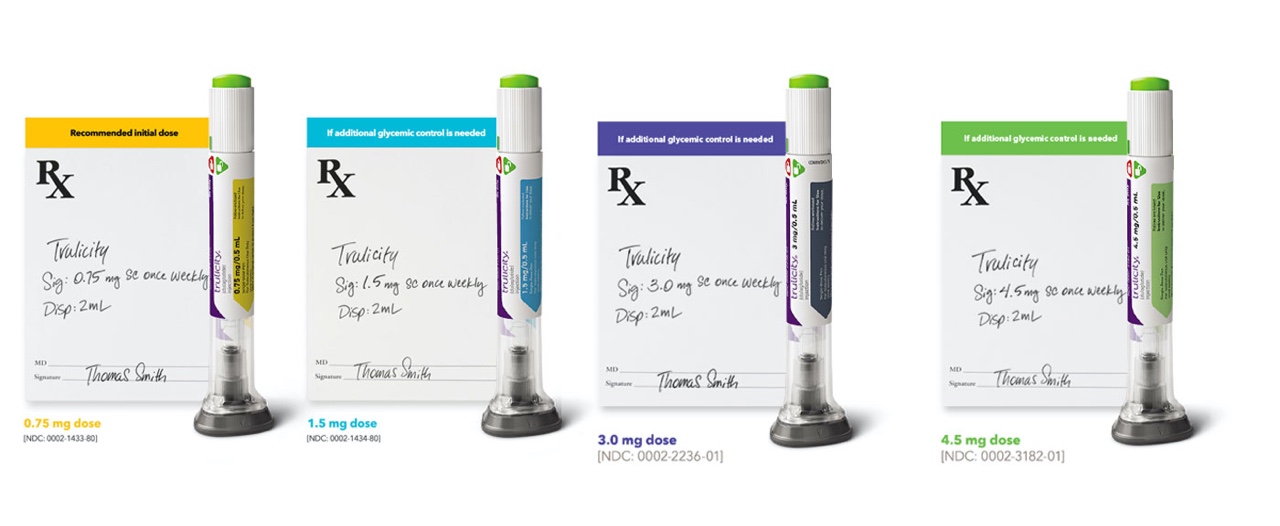
    Adult dosage: Recommended starting dosage is 0.75 mg injected subcutaneously once weekly. Increase dosage to 1.5 mg once weekly for additional glycemic control. If additional glycemic control is needed, increase dosage in 1.5 mg increments after at least 4 weeks on the current dosage. Maximum recommended dosage is 4.5 mg injected subcutaneously once weekly.

    For pediatric patients 10 years of age and older: Recommended starting dosage is 0.75 mg injected subcutaneously once weekly. If additional glycemic control is needed, increase dosage to the maximum recommended dosage of 1.5 mg once weekly after at least 4 weeks on the 0.75 mg dosage.

    Trulicity Rx pads

    The amount to be dispensed may be written as “1 box” or “4 pens.”

    If a dose is missed, instruct patients to administer as soon as possible if there are at least 3 days (72 hours) until the next scheduled dose. If less than 3 days remain before the next scheduled dose, skip the missed dose and administer the next dose on the regularly scheduled day. In each case, patients can then resume their regular once-weekly dosing schedule.1

    Yes. In pooled study results, there were no overall differences in safety or efficacy between older and younger patients but greater sensitivity in some older individuals cannot be ruled out.1

    • 620 (18.6%) Trulicity-treated patients were 65 years of age or over
    • 65 (1.9%) Trulicity-treated patients were 75 years of age or over

    Basal insulin can be titrated as needed and combined with any dose of once-weekly Trulicity.1

    Recommended starting dose is 0.75 mg. Dose can be increased to 1.5 mg for additional glycemic control

    Select Important Safety Information:
    Patients receiving Trulicity in combination with an insulin secretagogue (e.g., sulfonylurea) or insulin may have an increased risk of hypoglycemia, including severe hypoglycemia. The risk of hypoglycemia may be lowered by a reduction in the dose of sulfonylurea (or other concomitantly administered insulin secretagogue) or insulin. Inform patients using these concomitant medications of the risk of hypoglycemia and educate them on the signs and symptoms of hypoglycemia.

    • Store the Trulicity Pen in the refrigerator between 36°F to 46°F (2°C to 8°C)2
    • The Trulicity Pen may be stored at room temperature below 86°F (30°C) for a total of 14 days2
    • Do not freeze the Trulicity Pen. If the pen has been frozen, throw the pen away and use a new pen2
    • Storage of the Trulicity Pen in the original carton is recommended. Protect the pen from direct heat and light2
    • The pen has glass parts. Handle it carefully. If the pen is dropped on a hard surface, do not use it. Use a new pen for the injection2
    • Keep the Trulicity Pen and all medicines out of the reach of children2

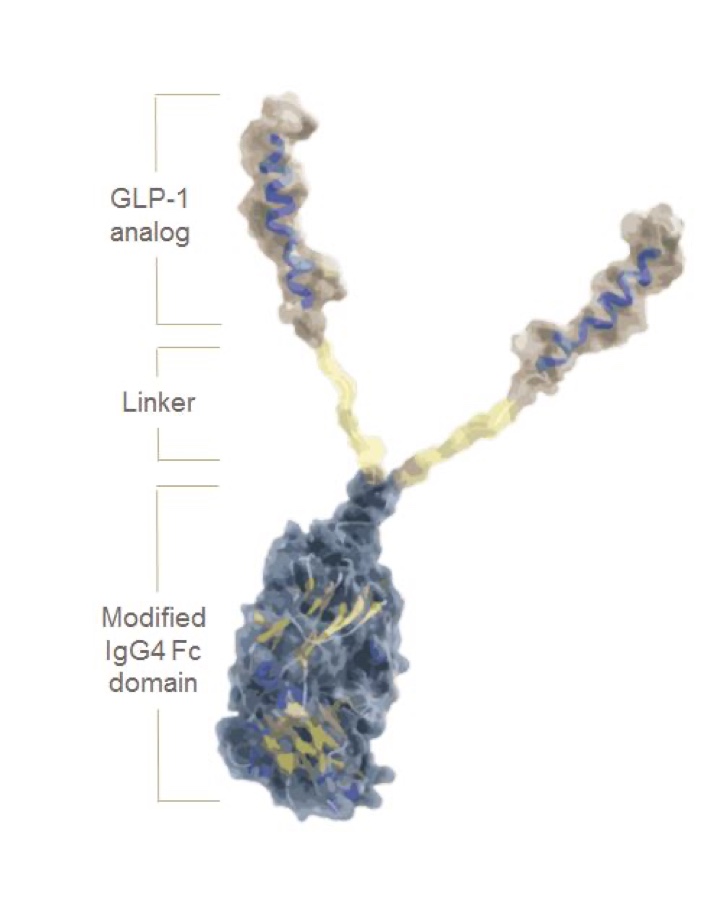
    The Trulicity molecule was designed with patients in mind

    • Prolong incretin activity to enable once‑weekly administration
      • Amino acid substitution on human GLP-1 protects against DPP 4 degradation3-6
      • Increasing the size of the molecule decreases renal clearance and extends the time-action profile4
    • Eliminate the need for reconstitution
      • Another amino acid substitution on human GLP-1 and fusion to the modified Fc portion of IgG4 improves solubility3-6

    Image description:
    GLP-1 analog
    Linker
    Modified lgG4Fc domain
    Fc - Fragment crystallization

    Trulicity mechanism of action

    Trulicity is not indicated for weight loss and in clinical studies of adults with type 2 diabetes, weight change was a secondary endpoint. On average, patients experienced weight loss. However, some patients did not lose weight.

    View Weight Loss in Clinical Trials

    Once-weekly Trulicity has a plasma half-life of approximately 5 days.1

    References

    1. Trulicity. Prescribing Information. Lilly USA, LLC.
    2. Trulicity. Instructions for Use. Lilly USA, LLC.
    3. Glaesner W, Vick AM, Millican R, et al. Engineering and characterization of the long-acting glucagon-like peptide-1 analogue LY2189265, an Fc fusion protein. Diabetes Metab Res Rev. 2010;26(4):287-296.
    4. Umpierrez GE, Blevins T, Rosenstock J, et al. The effects of LY2189265, a long-acting glucagon-like peptide-1 analogue, in a randomized, placebo-controlled, double-blind study of overweight/obese patients with type 2 diabetes: the EGO study. Diabetes Obes Metab. 2011;13(5):418-425.
    5. Pabreja K, Mohd MA, Koole C, et al. Molecular mechanisms underlying physiological and receptor pleiotropic effects mediated by GLP-1R activation. Br J Pharmacol. 2014;171(5):1114-1128.
    6. Data on file. Eli Lilly and Company; 2014, TRU20151210A.
    7. Dungan KM, Povedano ST, Forst T, et al. Once-weekly dulaglutide versus once-daily liraglutide in metformin-treated patients with type 2 diabetes (AWARD-6): a randomised, open-label, phase 3, non-inferiority trial [published correction appears in Lancet. 2014;384:1348]. Lancet. 2014;384:1349-1357.

    IMPORTANT SAFETY INFORMATION

    WARNING: RISK OF THYROID C-CELL TUMORS

    In male and female rats, dulaglutide causes a dose-related and treatment-duration-dependent increase in the incidence of thyroid C-cell tumors (adenomas and carcinomas) after lifetime exposure. It is unknown whether Trulicity causes thyroid C-cell tumors, including medullary thyroid carcinoma (MTC), in humans as human relevance of dulaglutide-induced rodent thyroid C-cell tumors has not been determined.

    Trulicity is contraindicated in patients with a personal or family history of MTC and in patients with Multiple Endocrine Neoplasia syndrome type 2 (MEN 2). Counsel patients regarding the potential risk of MTC with use of Trulicity and inform them of symptoms of thyroid tumors (eg, mass in the neck, dysphagia, dyspnea, persistent hoarseness). Routine monitoring of serum calcitonin or using thyroid ultrasound is of uncertain value for early detection of MTC in patients treated with Trulicity.

    Contraindications: Trulicity is contraindicated in patients with a personal or family history of MTC or in patients with MEN 2, and in patients with a serious hypersensitivity reaction to dulaglutide or any of the product components.

    Risk of Thyroid C-cell Tumors: One case of MTC was reported in a patient treated with Trulicity in a clinical trial. This patient had pretreatment calcitonin levels approximately 8 times the upper limit of normal (ULN). An additional case of C-cell hyperplasia with elevated calcitonin levels following treatment was reported in the cardiovascular outcomes trial (REWIND). If serum calcitonin is measured and found to be elevated or thyroid nodules are noted on physical examination or neck imaging, the patient should be further evaluated.

    Acute pancreatitis: Acute pancreatitis, including fatal and non-fatal hemorrhagic or necrotizing pancreatitis, has been observed in patients treated with GLP-1 receptor agonists, including Trulicity. Observe patients carefully for signs and symptoms of acute pancreatitis which may include persistent or severe abdominal pain sometimes radiating to the back and which may or may not be accompanied by nausea or vomiting. If pancreatitis is suspected, discontinue Trulicity and initiate appropriate management.

    Hypoglycemia: Patients receiving Trulicity in combination with an insulin secretagogue (e.g., sulfonylurea) or insulin may have an increased risk of hypoglycemia, including severe hypoglycemia. The risk of hypoglycemia may be lowered by a reduction in the dose of sulfonylurea (or other concomitantly administered insulin secretagogue) or insulin. Inform patients using these concomitant medications of the risk of hypoglycemia and educate them on the signs and symptoms of hypoglycemia.

    Hypersensitivity Reactions: There have been postmarketing reports of serious hypersensitivity reactions (eg, anaphylactic reactions and angioedema) in patients treated with Trulicity. Instruct patients who experience symptoms to discontinue Trulicity and promptly seek medical advice. Trulicity is contraindicated in patients with a previous serious hypersensitivity reaction to dulaglutide or to any of the components of Trulicity. Use caution in a patient with a history of angioedema or anaphylaxis with another GLP-1 receptor agonist as it is unknown whether they will be predisposed to anaphylaxis with Trulicity.

    Acute Kidney Injury Due to Volume Depletion: There have been postmarketing reports of acute kidney injury, in some cases requiring hemodialysis, in patients treated with GLP-1 RAs, including Trulicity. The majority of the reported events occurred in patients who experienced gastrointestinal reactions leading to dehydration such as nausea, vomiting, or diarrhea. Monitor renal function in patients reporting adverse reactions to Trulicity that could lead to volume depletion, especially during dosage initiation and escalation of Trulicity.

    Severe Gastrointestinal Adverse Reactions: Use of Trulicity has been associated with gastrointestinal adverse reactions, sometimes severe. In the pool of placebo-controlled trials, severe gastrointestinal adverse reactions were reported more frequently among patients receiving Trulicity (0.75 mg 2.2%, 1.5 mg 4.3%) than placebo (1.4%). Severe gastrointestinal adverse reactions have also been reported postmarketing with GLP-1 receptor agonists. Trulicity is not recommended in patients with severe gastroparesis.

    Diabetic Retinopathy Complications: Have been reported in a cardiovascular outcomes trial. Monitor patients with a history of diabetic retinopathy.

    Acute Gallbladder Disease: Acute events of gallbladder disease such as cholelithiasis or cholecystitis have been reported in GLP-1 receptor agonist trials and postmarketing. In a cardiovascular outcomes trial with a median follow up of 5.4 years, cholelithiasis occurred at a rate of 0.62/100 patient-years in Trulicity-treated patients and 0.56/100 patient-years in placebo-treated patients after adjusting for prior cholecystectomy. Serious events of acute cholecystitis were reported in 0.5% and 0.3% of patients on Trulicity and placebo respectively. If cholelithiasis is suspected, gallbladder studies and appropriate clinical follow-up are indicated.

    Pulmonary Aspiration During General Anesthesia or Deep Sedation: Trulicity delays gastric emptying. There have been rare postmarketing reports of pulmonary aspiration in patients receiving GLP-1 receptor agonists undergoing elective surgeries or procedures requiring general anesthesia or deep sedation who had residual gastric contents despite reported adherence to preoperative fasting recommendations. Instruct patients to inform healthcare providers prior to any planned surgeries or procedures if they are taking Trulicity.

    Most common adverse reactions: Incidence reported in ≥5% of Trulicity-treated patients in trials were nausea, diarrhea, vomiting, abdominal pain, decreased appetite, dyspepsia, and fatigue.

    Oral Medications and Delayed Gastric Emptying: Trulicity slows gastric emptying, which may impact absorption of concomitantly administered oral medications. Use caution when oral medications are used with Trulicity. Drug levels of oral medications with a narrow therapeutic index should be adequately monitored when concomitantly administered with Trulicity. In clinical pharmacology studies, Trulicity did not affect the absorption of the tested, orally administered medications to a clinically relevant degree.

    Pregnancy: Limited data with Trulicity in pregnant women are not sufficient to determine a drug-associated risk for major birth defects and miscarriage. Based on animal reproduction studies, there may be risks to the fetus from exposure to dulaglutide. Use only if potential benefit justifies the potential risk to the fetus.

    Lactation: There are no data on the presence of dulaglutide in human milk, the effects on the breastfed infant, or the effects on milk production. The developmental and health benefits of breastfeeding should be considered along with the mother’s clinical need for Trulicity and any potential adverse effects on the breastfed infant from Trulicity or from the underlying maternal condition.

    Pediatric Use: Trulicity-treated pediatric patients reported a higher incidence of injection site-related reactions compared to Trulicity-treated adults. Safety and effectiveness of Trulicity have not been established in patients less than 10 years of age.

    Dosage Forms and Strengths: Trulicity is available as a 0.75 mg, 1.5 mg, 3 mg, or 4.5 mg per 0.5 mL subcutaneous injection in a prefilled single-dose pen.

    Please click to access Prescribing Information, including Boxed Warning about possible thyroid tumors, including thyroid cancer, and Medication Guide.

    Please see Instructions for Use included with the pen.

    DG HCP ISI 25MAR2026

    INDICATIONS

    Trulicity (dulaglutide) is indicated

    • as an adjunct to diet and exercise to improve glycemic control in adults and pediatric patients 10 years of age and older with type 2 diabetes mellitus.
    • to reduce the risk of major adverse cardiovascular events (cardiovascular death, nonfatal myocardial infarction, or nonfatal stroke) in adults with type 2 diabetes mellitus who have established cardiovascular disease or multiple cardiovascular risk factors.

      For more information:
      Call 1-800-LillyRx
      (1-800-545-5979)

      This site is intended for US healthcare professionals only.
      Models used for illustrative purposes only. Not actual patients.
      CMAT-04565 04/2026 ©Lilly USA, LLC 2026. All rights reserved.
      TRICARE® is a registered trademark of the Department of Defense (DoD), DHA.
      Trulicity® and its delivery device base are registered trademarks owned or licensed by Eli Lilly and Company, its subsidiaries, or affiliates. Trulicity is available by prescription only.
      Bydureon BCise® is a registered trademark of the AstraZeneca group of companies.
      Victoza®, Ozempic®, and Rybelsus® are registered trademarks of Novo Nordisk A/S.
      Januvia® is a registered trademark of Merck & Co., Inc.
      Adlyxin® and Lantus® are registered trademarks of Sanofi-Aventis US, LLC.
      Other product/company names mentioned herein are the trademarks of their respective owners.

      Your Privacy Choices

      Cookie Settings

      Visit Lilly.com